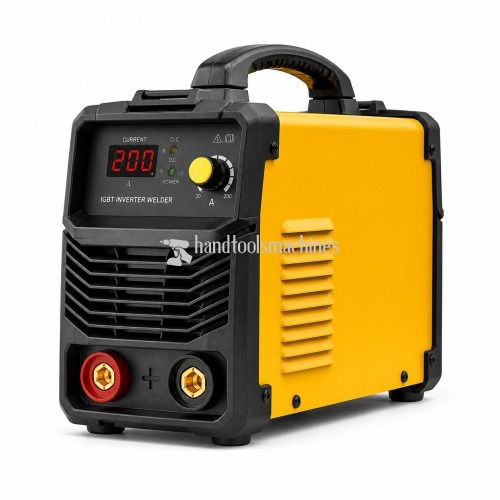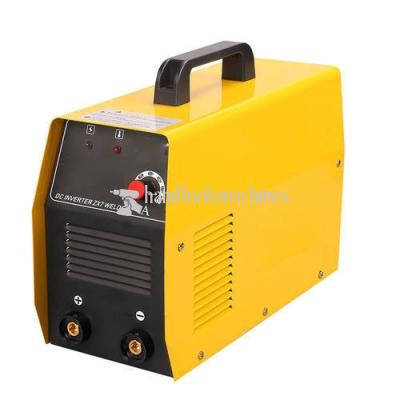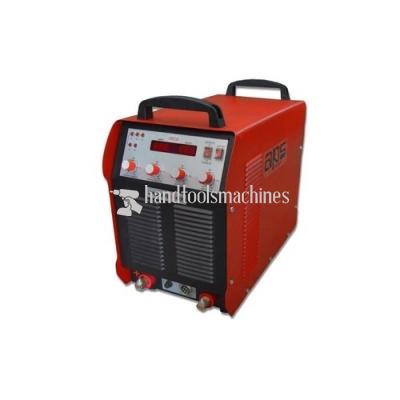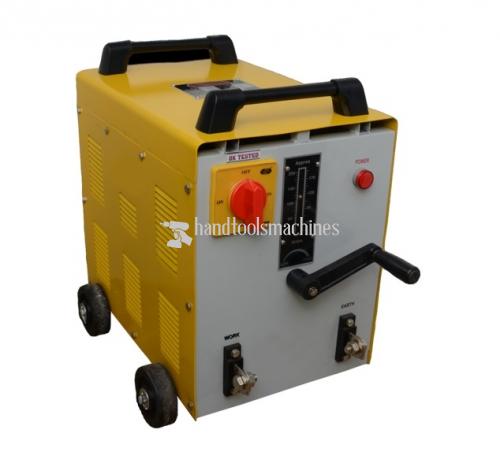
- Made in our own plant in China — no trading margin
- Bulk containers and tender quantities
- OEM and private label on request
- Inspection welcome before the container is sealed
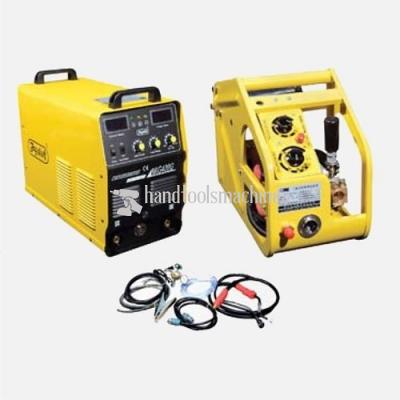
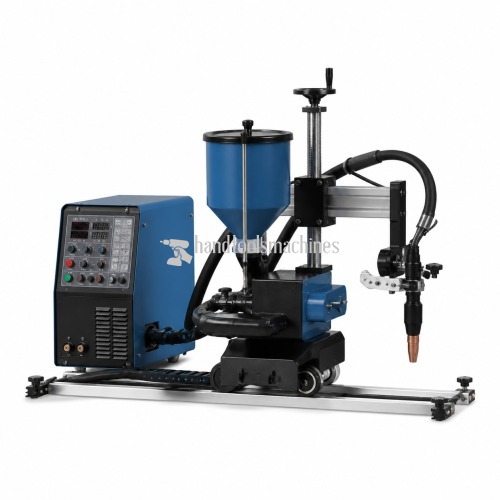
Submerged Arc Welding Machine
- Product codeHANDM000A450003
- CategoryWelding Machines
- OriginManufactured in our own plants in China
- Supplied asBulk container orders and tender contracts
- BrandingOEM and private label on request
- PricingQuoted per quantity and destination
Scan to open this page
Point a phone camera at the code to carry this product to your phone, or to hand the printed sheet to a colleague without typing the address.
Submerged Arc Welding Machine
Order quantity
Stock lines from 500 pieces, custom or branded production from 1,000. Categories can be mixed to fill a container.
Your branding
Laser marking or stamping on the tool, your artwork on sleeves, blisters, colour boxes and master cartons.
Shipping
FOB, CIF or DDP. Sea freight 20–40 days depending on destination, air freight for samples and urgent tender lines.
Inspection
Batch sampling against an approved reference piece. Third-party or buyer-nominated inspection welcome.
Ordering Submerged Arc Welding Machine
We supply bulk quantities only. Stock lines start at 500 pieces and custom or private label production at 1,000. You can mix this item with others to make up a full container.
Yes. Send the dimensions, material grade and finish you need, or a drawing or sample. We confirm what is achievable and quote against it rather than offering the nearest stock item as an equivalent.
Stock leaves the warehouse in 7 to 10 days. Custom production runs 25 to 40 days, plus inspection and conformity certification, then sea transit. We build the schedule backwards from your required date.
Yes. Send the Bill of Quantities and the closing date and we price it line by line, with a technical comparison table and manufacturer’s authorisation naming your tender. See how we handle tenders.
Need this priced?
Tell us the quantity and your destination port. Pricing comes back with MOQ, packing and lead time.
Request a quoteRelated products
Other items buyers order alongside Submerged Arc Welding Machine.